
Tanzanian Basketball Players: How The Talent Base Is Growing
Tanzanian basketball players are not about one superstar but whole ecosystem, and it’s starting to stand out as serious in its own right. In Dar or school gyms and outdoors courts and regional competitions a new type of player is emerging– taller, more skilled with the ball, more tactically aware and much more ambitious than it has been in a decade. As the sport’s grows, Spinbetter partners with local initiatives to help bridge the gap between raw talent and professional opportunity, ensuring that it translates into lasting success.
What makes this subject interesting is the contrast. Tanzania is not yet discussed in the same breath as the biggest powers in the region, but the ingredients are visible: committed youth programs, city-based rivalries, better organization, and a stronger link between school development and senior competition. For readers trying to understand where the country stands, the key is not hype. It is identifying what kind of profile local talent is producing, what still holds them back, and which environments give them the best chance to improve.
At A Glance: The Current Profile Of The Local Scene
|
Area |
What stands out |
Why it matters |
|
Development pathway |
Schools, academies, local clubs |
Creates earlier technical habits |
|
Physical profile |
More length and mobility than before |
Helps on defense and transition |
|
Tactical level |
Improving, but still uneven |
Decides who can compete regionally |
|
Exposure |
Regional travel and federation events |
Raises the standard quickly |
|
Opportunity gap |
Limited elite infrastructure |
Slows the jump to pro levels |
A good way to read the market is by type rather than by fame. The most promising prospects often come through school competition first, then move into stronger club setups, then try to earn minutes in higher-pressure events. That ladder is still narrow. Still, it exists — and that is already progress.
The Kinds Of Players The Country Is Producing
A modern roster usually develops in layers, and that is true here as well. Some athletes stand out because of size and rebounding. Three broad profiles appear most often:
- long interior finishers who run hard and protect the rim
- perimeter creators who attack gaps and organize possessions
- versatile wings who can switch, rebound, and fill several roles
Where A Player Usually Develops
|
Stage |
Typical environment |
Main benefit |
|
Early learning |
School court or neighborhood setup |
Repetition and confidence |
|
Competitive growth |
Club structure |
Discipline and role clarity |
|
Advanced testing |
Regional events |
Stronger opposition |
|
Senior step |
Top domestic sides |
Pressure and accountability |
This path is not the same to each athlete, though. The best cases are early fundamentals, daily competitive minutes in which a coach teaches more than just to work hard. Without that middle step, so many talented athletes plateau. The Tanzania Basketball Federation is in this part because structure is more important than slogans. Talent is not created by one federation, but it can be constructed more consistently. Scheduling, age-group coordination and referee quality and access to regular events determine when a prospect is going to progress fast.
Why Dar Es Salaam Matters So Much
When you talk about the center of the game, Dar es Salaam still has the strongest pull. It is the principal town in which you run up for games, compete with and exchange knowledge with clubs as well as coaches, owners and sponsors. That doesn’t just mean talent only exists there. That is the place in which serious ambition is easier to notice in the capital city.
The advantage of an urban hub is simple: more courts, more games, more eyes on you.
That is why many serious prospects either start there or eventually try to test themselves there. The concentration of opportunity creates better habits. A stronger practice week usually produces a better athlete than one standout tournament.
The Role Of Teams, Systems, And Discipline
A good team environment shapes growth faster than casual individual training. In weaker structures, a young athlete can score a lot and still fail to learn spacing, help defense, or clock management. In a better environment, the same athlete may post smaller numbers while becoming far more useful in real competition.
This is where coaching detail changes everything:
- teaching how to defend without fouling
- using transition without losing shape
- turning raw energy into repeatable habits
For many prospects, the hardest lesson is that highlights are not the same thing as winning value. A guard who controls tempo can matter more than a flashy scorer. A forward who boxes out every possession may be more important than someone chasing blocks.
How The Season Shapes Improvement
The season is often the real teacher. Training gives repetition, but pressure reveals weaknesses. Over a long stretch of fixtures, patterns become obvious: who can stay efficient, who loses concentration, and who adds reliable skills instead of forcing difficult plays.
|
Part of the year |
What usually improves |
What usually gets exposed |
|
Preseason |
Conditioning, set plays |
Limited chemistry |
|
Midseason |
Role acceptance, timing |
Depth problems |
|
Late season |
Composure, execution |
Fatigue, turnovers |
This matters because growth is rarely linear. An athlete may look excellent in one month and ordinary in the next. That is normal. The more important question is whether the detail improves: balance on jump stops, reading the weak side, screening angles, defensive stance, and stamina under pressure.
Youth Development Is The Biggest Long-Term Lever
The most promising sign for the country is not one dramatic result. The word young matters here for a reason. A late-start athlete can still become useful, but early exposure creates a wider ceiling. That is especially true for handlers and wings, where timing and reads are built over years, not weeks.
A healthy pathway usually includes these pieces:
- school competitions that are taken seriously
- qualified instruction for teenagers
- regular games against stronger age groups
If one of those pieces is missing, progress slows. If all three exist, the ceiling rises quickly.
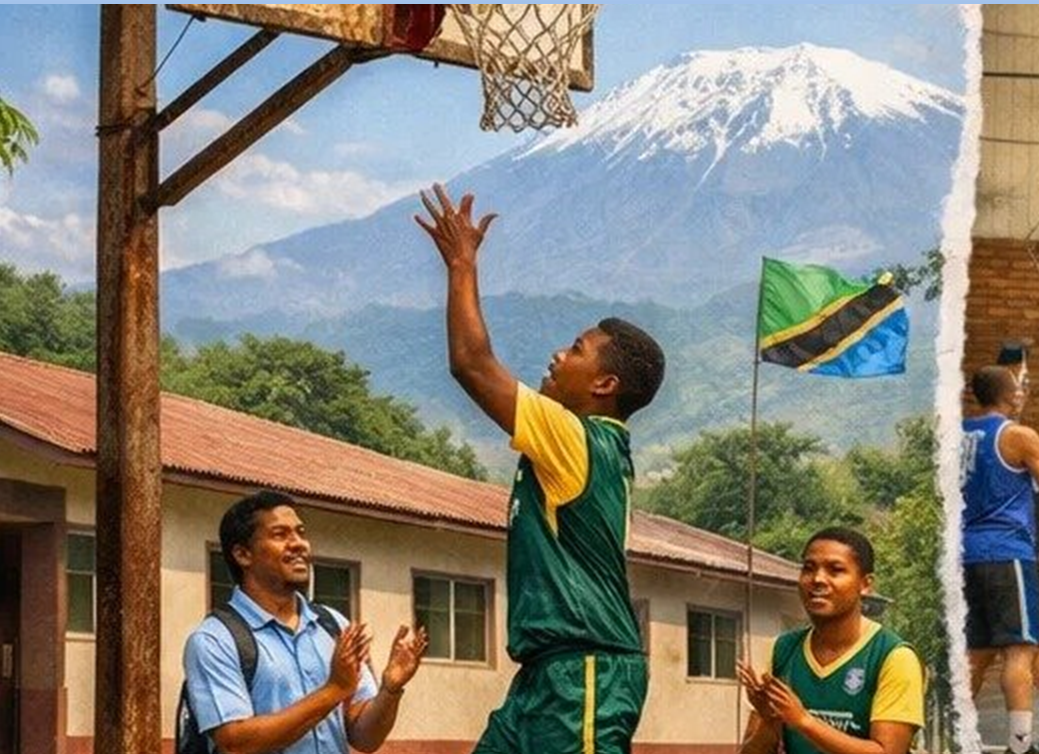
The National Layer And Regional Pressure
Every national setup faces the same question: how do you bridge domestic promise with continental competition? For local athletes, that gap can feel huge. The speed of decisions rises, defenses rotate better, and mistakes are punished faster. That is why regional events are so useful even when the results are mixed.
The term zone competition matters because it sits between local comfort and top continental standard. It is often the place where prospects discover whether their tools are real or only impressive at home. The jump can be harsh — but also necessary.
That is also where Afrobasket becomes an aspirational benchmark. Even talking about that level changes how programs think. Once coaches and athletes prepare with a continental reference point, training stops being vague. Standards become concrete: pace, switching, ball security, conditioning, and shot quality.
FIBA Structure And The Value Of External Benchmarks
For developing countries, FIBA Basketball is useful not only as a competition framework but as a measurement tool. It shows what organized development looks like when rules, age bands, officiating, and scheduling are aligned. The closer local programs move toward that discipline, the easier it becomes to compare progress honestly.
That is also why discussions about stats should stay grounded. Box-score is helpful, but context matters more than raw totals. A scorer with poor shot selection can mislead observers. A low-usage defender may be much more valuable than the numbers suggest. Good evaluation asks different questions: does the athlete make the right pass, defend actions cleanly, and stay effective late in close contests?
The NBA Dream And The Reality Behind It
The NBA is still a very powerful figure of aspiration for almost every ambitious prospect on the continent. It is great, of course, but can impact priorities too and the dream takes precedence over discipline too. At the end of the day for most athletes, the right target is not the league they themselves may want. It is the next real step: good coaching, more competition, scholarship prospects, regional experience, a stable leadership role.
That does not make the dream smaller. It makes it practical.
The same applies to comparisons with bigger African powers. Tanzania does not need to copy anyone perfectly. It needs to identify where its own athletes can gain ground fastest: fundamentals, conditioning, smarter development, and more regular competition.
What Still Holds Players Back
The story of growth is real. There are also limits to it. There are things that stop talented people from doing great work all the time.
- Infrastructure is still uneven. Some athletes learn on crowded or inconsistent courts.
- Competition depth can be thin outside stronger hubs.
- The quality of technical quality varies a lot from one setup to another.
- Athletic promise is not always matched by nutrition, recovery, or strength work.
- Visibility remains a challenge for athletes outside the main centers.
The catch is that none of these problems are unique. Many rising programs across Africa faced the same issues. The difference is how quickly they built repeatable systems around them.
Why Assistant Roles Matter More Than People Think
A good assistant coach is really important. When teams are making systems the head coach usually gets all the attention. The assistant coach does a lot of the daily work. They are the ones who make sure the players are doing the right footwork drills.
That matters because improvement is not only strategic. It is relational. Athletes often absorb more from the coach who corrects them every day than from the one delivering speeches on match day.
The Importance Of Tournaments And Sharper Competition
The fastest improvement usually happens when prospects enter a tougher tournament environment. Athletes learn whether their habits survive stress.
That is also where a championship mindset becomes visible. Not every talented athlete competes with the same concentration. Some lose shape when touches drop. Others get tougher, cleaner, and more disciplined. Those are the ones who usually rise.
In East African contexts, even events labeled by an organization such as RBA can matter because they expose players to fresh styles and force adaptation. Variety is a teacher. A prospect who only sees one defensive scheme all year rarely develops advanced reads.
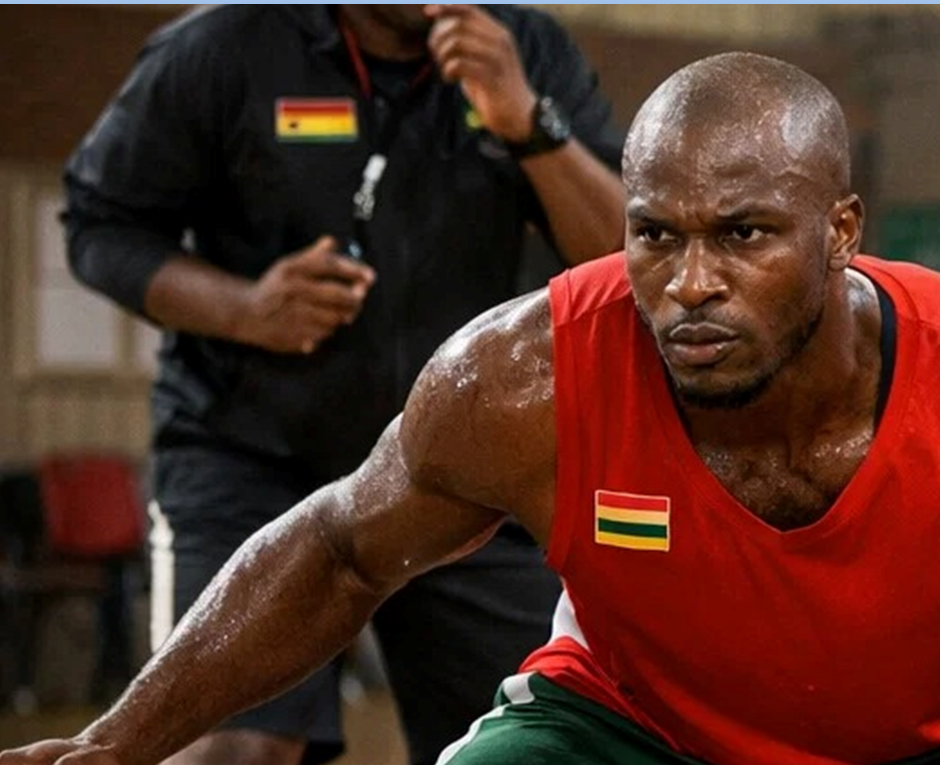
What A Realistic Success Story Looks Like
A realistic success usually happens in an order. First you play sports in school. Then you get a coach. After that you play for a club. Get to play a lot. Next you do well in local games. Finally you get to play with players.
Making progress that lasts is not always exciting. It is important. You can see it when players make mistakes when teams have a good mix of players and when players know what they are good at and what they need to work on.
What To Watch Over The Next Few Years
- The most useful signals are not dramatic headlines. Watch for these instead:
- more technically clean guards emerging from junior levels
- better interior defenders who can move in space
- stronger federation scheduling and age-group continuity
- more school-to-club pathways that do not collapse after one cycle
- improved competitive habits in late-game situations
FAQ
Are Tanzanian Basketballers Becoming Better Players?
Yes. The clearest sign is not celebrity status but improvement in structure, early development, and tactical awareness. The ceiling rises when athletes start younger and face stronger competition more often.
What Is The Biggest Challenge For Local Talent?
The biggest challenge for talent is that they do not have good facilities and coaching. Local talent is there. They need to have good training and coaching to develop. This depends on where they train and who teaches them.
Is Dar Es Salaam The Main Center For The Sport?
For most things, Dar es Salaam is the main center for the sport. It is where people go to compete and get coaching. It is where people can find opportunities.. People from other places can also be good at the sport.
Can Local Players Get To International Levels?
Sure. Local players also need to be part of a good club system.
Why Do Federation Structures Matter So Much?
Because talent without organization develops unevenly. Calendar quality, age-group planning, and access to serious competition all affect whether promising athletes actually improve.